


The Intro
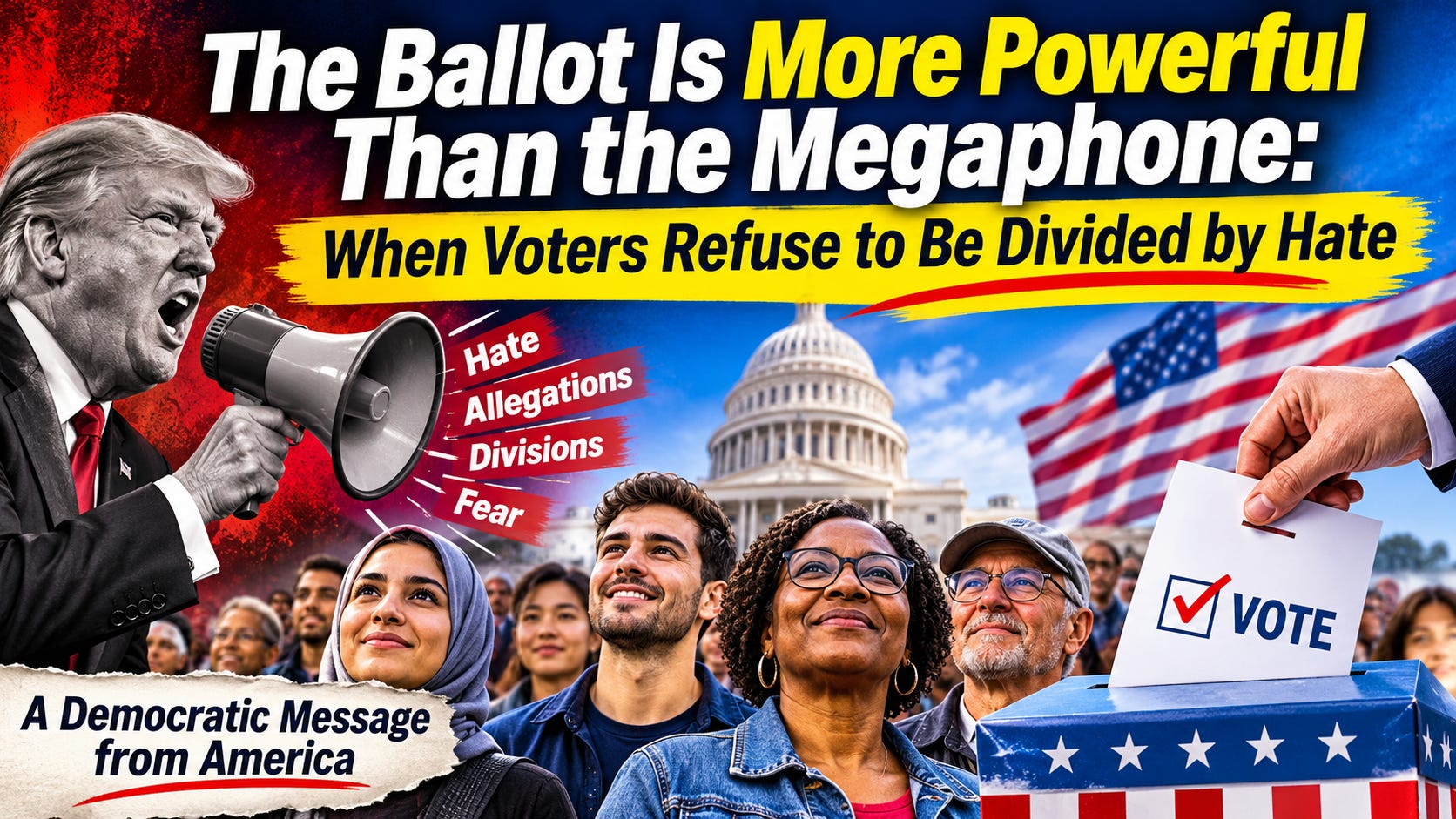
Elections are often fought on policies, personalities and political promises. But increasingly, they are also becoming battles over identity, religion, ethnicity and personal character. The November 2026 US midterm elections have produced several striking outcomes: candidates who faced intense criticism, controversial allegations and opposition from powerful political figures have secured electoral victories. Some have made history in the process. These results invite a broader question: Are voters becoming less receptive to divisive campaigning, or are economic concerns and dissatisfaction with those in power simply becoming more important? The distinction matters. Elections can reveal public sentiment, but understanding why people vote requires looking beyond the winners and examining the evidence.
When Identity Becomes a Political Battleground
One of the most significant examples is Zohran Mamdani in New York.
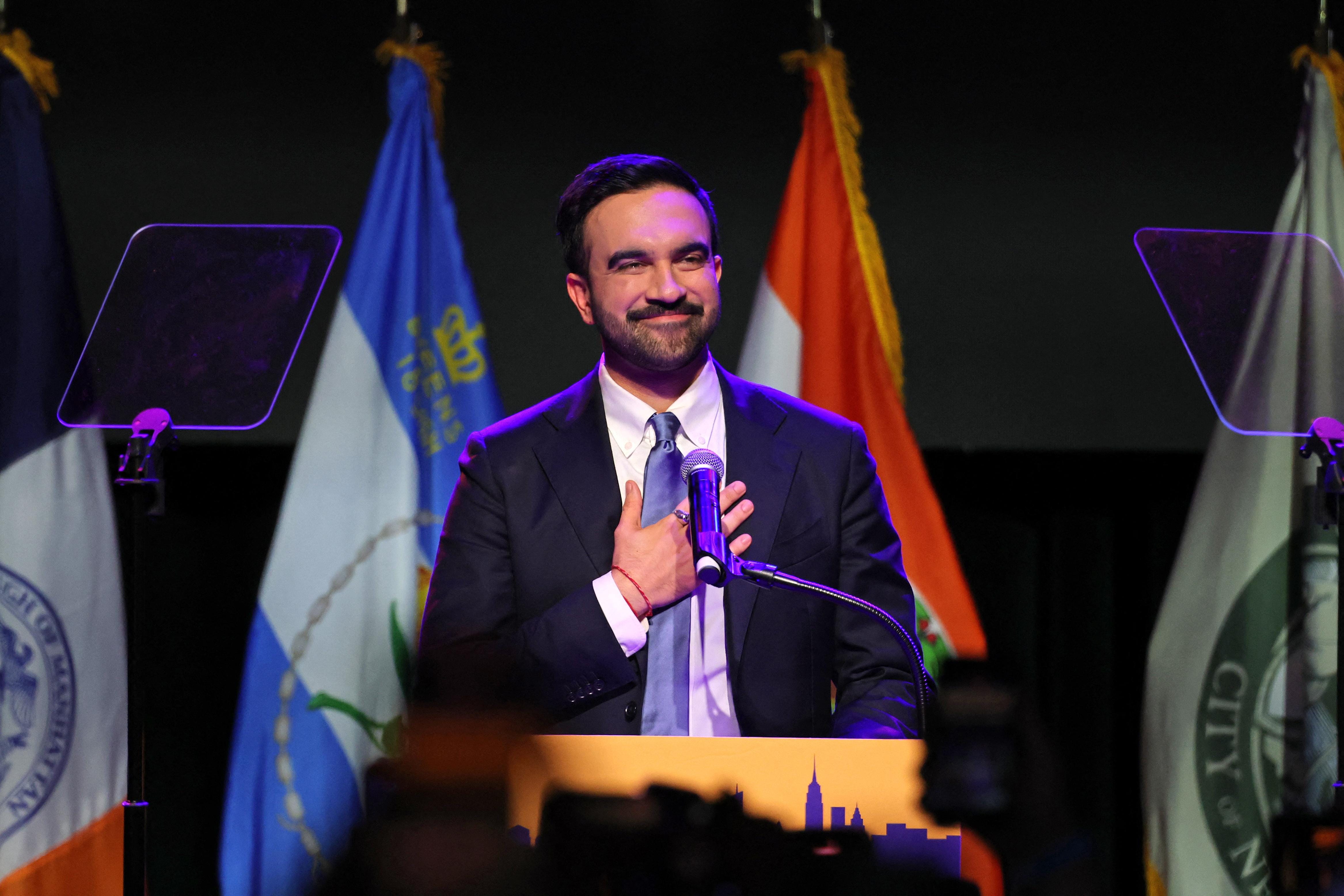
Mamdani won the November 2025 mayoral election after defeating former New York Governor Andrew Cuomo and Republican Curtis Sliwa. His Muslim identity, immigrant background, democratic-socialist politics and positions on Israel and Gaza attracted considerable political attention. President Donald Trump and Republican allies criticised him, with Trump threatening federal funding to New York City.
Yet Mamdani’s campaign concentrated heavily on housing affordability, childcare, public services and the rising cost of living. His victory made him New York City’s first Muslim mayor and its first mayor of South Asian heritage. The result demonstrated that a candidate facing identity-based criticism could still build a winning electoral coalition around local economic concerns.
The story continued in Michigan in November 2026, where Democrat Abdul El-Sayed won the open US Senate seat, according to media projections. He became the first Muslim elected to the US Senate.
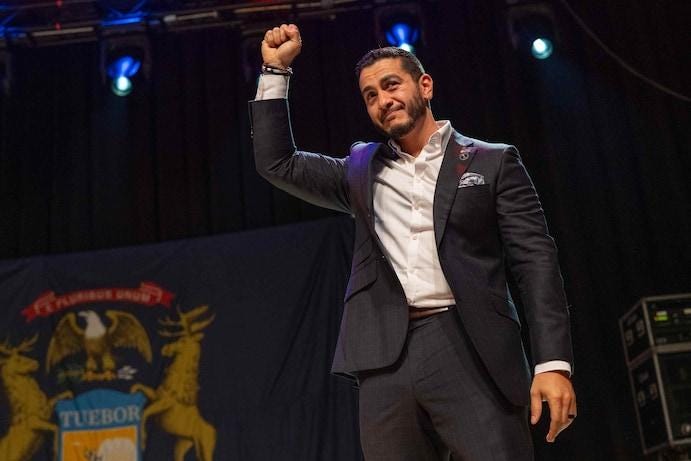
El-Sayed campaigned on reducing healthcare costs, Medicare for All and limiting corporate influence in politics. His Republican opponent, Mike Rogers, attempted to associate him with Islamic extremism and alleged Muslim Brotherhood links. El-Sayed denied the allegations, and Reuters reported that no supporting evidence was presented. His opposition to US military aid to Israel and his description of Israel’s actions in Gaza as genocide also became contentious campaign issues.
His victory is significant not because it settles disagreements over his foreign-policy positions, but because voters ultimately chose him despite an intensely contested campaign.
Personal Attacks and the Limits of Political Endorsements
Ohio offers another important example.
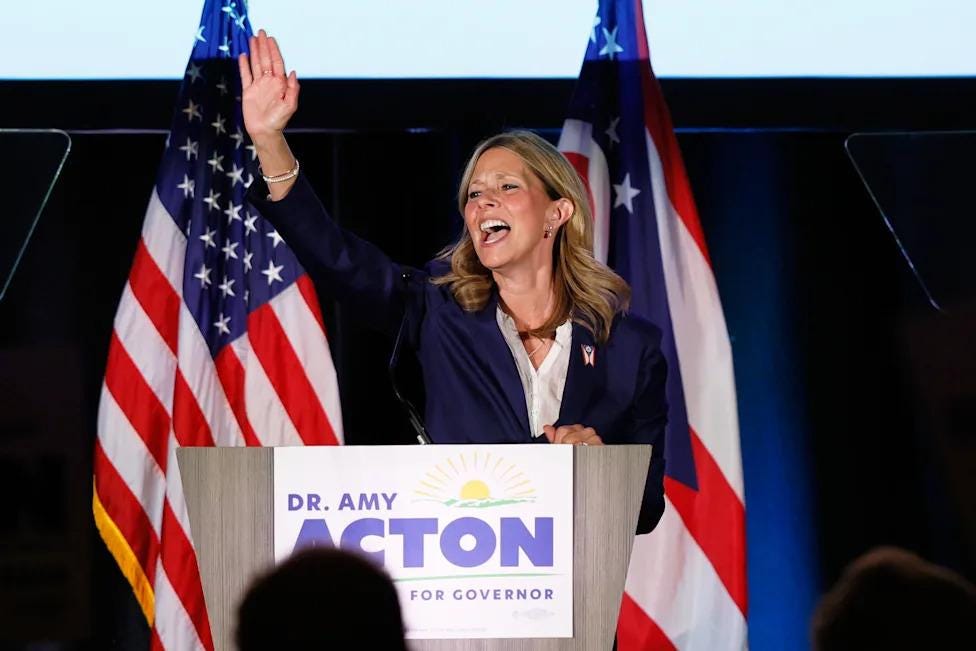
Democrat Amy Acton defeated Republican Vivek Ramaswamy, who had received Trump’s endorsement, in the November 2026 gubernatorial election.
Acton, a physician and former Ohio health director, built her campaign around affordability, healthcare access and her personal connection with working- and middle-class communities. Ramaswamy’s campaign faced criticism over an advertisement featuring Acton’s estranged mother, which attacked Acton’s account of her childhood. The advertisement attracted criticism from prominent figures across party lines and was eventually withdrawn.
Acton’s victory made her the first woman elected governor of Ohio and ended nearly two decades of Democratic absence from the state’s governorship.
The outcome also illustrates an important limitation of political endorsements: support from a prominent national leader, substantial campaign spending and aggressive advertising cannot guarantee victory. However, it would be simplistic to attribute Acton’s success solely to voters rejecting personal attacks. Her campaign’s economic message, the political environment and dissatisfaction with the incumbent party also mattered.
Representation, Controversy and Electoral Accountability
Two further victories in Minnesota add another dimension to the story.
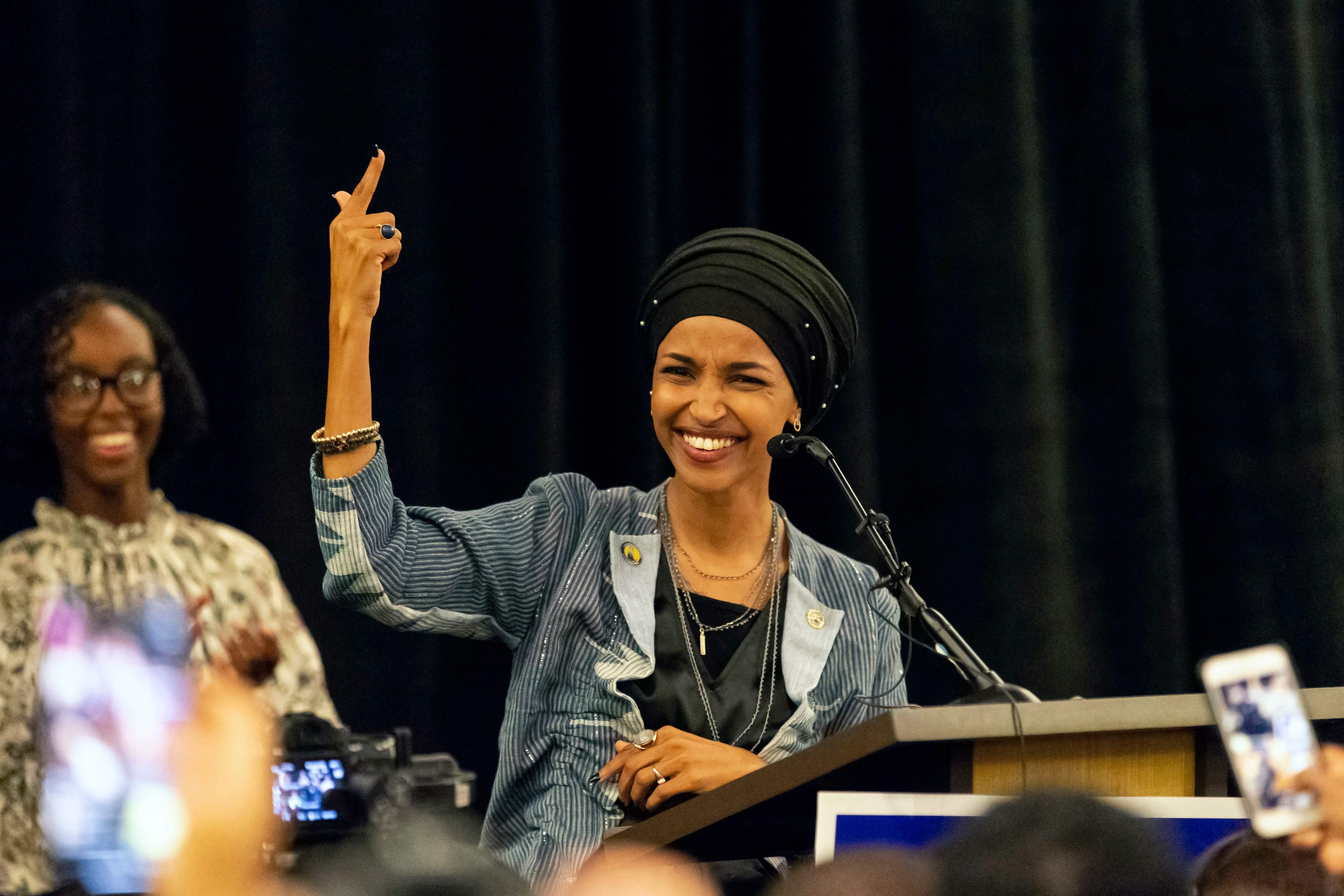
Ilhan Omar secured a fifth term in the House of Representatives, defeating Republican John Nagel in Minnesota’s Fifth Congressional District, according to election projections. Omar, a Somali-born Muslim refugee, has been a frequent target of Trump’s criticism.
Her campaign also unfolded amid renewed scrutiny over alleged immigration irregularities and an investigation by federal authorities. Omar has denied wrongdoing and criticised the investigation. These allegations must remain distinct from established findings; neither political accusations nor an investigation alone establish guilt.

Meanwhile, Democrat Peggy Flanagan defeated Republican Michele Tafoya to win Minnesota’s open Senate seat. A member of the Ojibwe Native American community, Flanagan will become the first Native American woman elected to the US Senate.
Her victory represents an important milestone in American political representation. The campaign also involved substantive disagreements over healthcare, public accountability, immigration enforcement and economic policy.
Taken together, these outcomes demonstrate the growing diversity of political representation in the United States. They also remind us that voters cannot automatically be categorised by religion, ethnicity or cultural background.
From the Pentagon to the Ballot Box: Nancy Lacore’s Political Challenge

An especially interesting contest emerged in South Carolina’s First Congressional District.
Former Vice Admiral Nancy Lacore entered electoral politics after being removed from her position as Chief of the Navy Reserve by Defence Secretary Pete Hegseth in August 2025. She had served in the US Navy for 35 years.
The Navy confirmed her removal but did not publicly disclose a reason. Lacore subsequently announced her congressional candidacy, presenting her departure from military leadership as an experience that strengthened her determination to continue public service.
In the November 3, 2026 election, retired Vice Admiral Nancy Lacore narrowly defeated Republican Jenny Costa Honeycutt in South Carolina’s 1st Congressional District, according to unofficial results. With approximately 99% of votes counted, Lacore’s lead increased to 1.01 percentage points, narrowly exceeding the state’s mandatory recount threshold. She subsequently declared victory, and Honeycutt’s campaign reportedly conceded. However, the Associated Press had not formally called the race in its November 4 reporting, and the result remained subject to official confirmation.
The wider significance of her candidacy extends beyond the election itself. It raises questions about the independence of military institutions, accountability in senior appointments and the relationship between political leadership and professional service.
What Do These Victories Collectively Tell Us?
The November 2026 midterms produced a significant national political shift. According to Associated Press and Reuters reporting, Democrats won control of both the House and Senate, reversing Republican control of Congress. Their gains included victories in several traditionally Republican states.
Economic dissatisfaction, the cost of living, the Iran war and criticism of the Trump administration were among the factors identified in election coverage.
Several broader observations emerge.
First, identity does not determine electoral outcomes. Candidates from Muslim, immigrant and Native American backgrounds have demonstrated their ability to win substantial electoral support.
Second, personal attacks have limitations. Negative campaigning and controversial allegations can influence public opinion, but they do not automatically translate into electoral rejection of the targeted candidate.
Third, economic concerns remain central. Housing, healthcare, affordability, employment and everyday living costs can be more immediate concerns for voters than the controversies dominating political headlines.
Fourth, endorsements are not guarantees. The defeat of Trump’s preferred candidate in Ohio demonstrates that even powerful political endorsements cannot independently determine an election.
Finally, representation is evolving. The victories of El-Sayed and Flanagan are important milestones, although representation alone does not establish the effectiveness of a candidate’s policies or future performance.
These observations should not be mistaken for proof that American voters have collectively rejected divisive politics. Elections are influenced by several interconnected factors, including party loyalty, local circumstances, candidate credibility, campaign organisation and national economic conditions.
A Lesson for India: Let the Ballot Rise Above Hate
There is a wider democratic lesson here for India as well.
India and the United States have different political systems, histories and social realities. Yet both demonstrate how elections can become vulnerable to campaigns built around religion, caste, ethnicity, community identity and personal attacks.
Political competition is essential to democracy. Strong disagreements over ideology, economic priorities and national interests are legitimate. But when identities become weapons and allegations replace evidence, the quality of democratic debate suffers.
Voters should judge candidates by their performance, integrity, policies and ability to address public concerns rather than simply accepting narratives created by political parties or influential individuals.
India does not need less political competition but the better one.
What the Evidence Establishes—and What It Doesn’t
The available election results establish that candidates who faced personal criticism, identity-based controversies or opposition from influential political figures were nevertheless able to win significant electoral support.
They also demonstrate growing representation of communities that have historically been underrepresented in American political institutions.
However, these results do not establish that voters rejected every form of divisive politics, that personal attacks were the decisive reason for the victories, or that all successful candidates were elected specifically because of their identities or positions on controversial issues.
Economic dissatisfaction, party preferences, local political circumstances and national developments also influenced the results.
Furthermore, some election outcomes discussed here are based on media projections and preliminary counts rather than final certified results. According to the South Carolina Daily Gazette, the state Election Commission’s unofficial results showed Lacore leading Jenny Costa Honeycutt by 1.01 percentage points. This put her just outside South Carolina’s mandatory recount threshold of a margin below one percentage point.
The distinction is important: an election result is evidence of voter choice, but explaining the motivations behind that choice requires further research.
Conclusion: The Ballot Is More Powerful Than the Megaphone
Perhaps the most encouraging message from these elections is that political influence, celebrity endorsements, financial resources and aggressive campaigning cannot guarantee electoral success.
Mamdani won in New York. El-Sayed made history in Michigan. Acton defeated Trump’s endorsed candidate in Ohio. Omar secured another term, while Flanagan achieved a historic Senate victory in Minnesota. Lacore’s closely contested race has also brought questions of institutional accountability into the political debate.
Their political ideologies and programmes are different. Their victories should not be treated as evidence of a single political movement or a universal rejection of identity politics. Yet they collectively demonstrate that voters retain the power to make independent choices.
Democracy is strongest when citizens can evaluate candidates on their ideas, performance and promises rather than simply accepting the narratives created by those who hold political or financial power.
Ultimately, the ballot belongs to the people, not to the powerful.
The question worth asking is: If voters have the power to rise above political divisions, why should political leaders continue to rely on creating them?
Sources and Further Reading
Associated Press – 2026 US midterm election results and analysis.
Reuters – Abdul El-Sayed’s Michigan Senate victory, November 4, 2026.
Associated Press – Amy Acton’s victory in Ohio, November 4, 2026.
CBS News – Ilhan Omar’s 2026 congressional victory.
Associated Press – Peggy Flanagan’s Minnesota Senate victory.
South Carolina Daily Gazette – Nancy Lacore’s congressional contest n recount.
USNI News – Removal of senior Navy leadership, August 2025.
NPR – 2025 New York City mayoral election results.
Disclaimer
This report is intended for informational, educational and analytical purposes. It reflects independent research and interpretation of publicly available information and does not constitute a definitive determination of disputed claims or allegations. Election projections and preliminary results may be subject to subsequent official certification. Readers are encouraged to independently assess the evidence and sources.
Third Publication | Beyond the headlines. Follow the evidence. Understand the consequences.